What you need to know
- Counterpoint Research states Q3 for the global phone market reached its lowest point in 14 years.
- Research states the market dropped by 20% YoY; however, Samsung took the number one spot, thanks to the Galaxy Z Fold 8 and Fold 8 Ultra.
- Counterpoint and Omdia suggest that Q4 might not show any meaningful improvements.
The global phone market looks bleaker after every quarter in 2026. Research states this is the worst it’s been in 14 years.
Counterpoint Research analysts have published their Q3 2026 findings, and global phone shipments have plummeted. According to its research, global shipments saw a 20% YoY decline. Immediately, Counterpoint’s senior analyst, Shilpi Jain, said, “The extreme memory shortage is pushing the smartphone market into a more selective phase…”
It states this is the lowest global phone shipments have been since 2012. While a sharp decline, Counterpoint states Samsung has retained its top position in the past quarter with a 3% YoY decline. What’s more, Samsung’s market share reportedly increased by 23%, “the largest share gain among major OEMs.” Researchers attribute this to the Galaxy Z Fold 8 and Fold 8 Ultra sales and its Galaxy A series.
Apple sits right behind Samsung in Q3. The iPhone 18 series lacks a base option, only offering an 18 Pro and an 18 Pro Max. Counterpoint’s analytics suggest this warranted the decline. Additionally, Chinese OEMs (Xiaomi, OPPO, and Vivo) round out the top five with massive declines of their own.
While a shortage of DRAM and NAND (courtesy of AI) is a key player in the market’s decline, Counterpoint states “consumer behavior” has also changed as a result. Jain said, “Consumers are holding on to their devices longer than estimated, increasingly considering refurbished devices and prioritizing higher-value devices.”
Q4 2026 remains dire for global phone shipments, with the post stating a recovery isn’t likely “until component costs and supply conditions improve.”
Struggling times
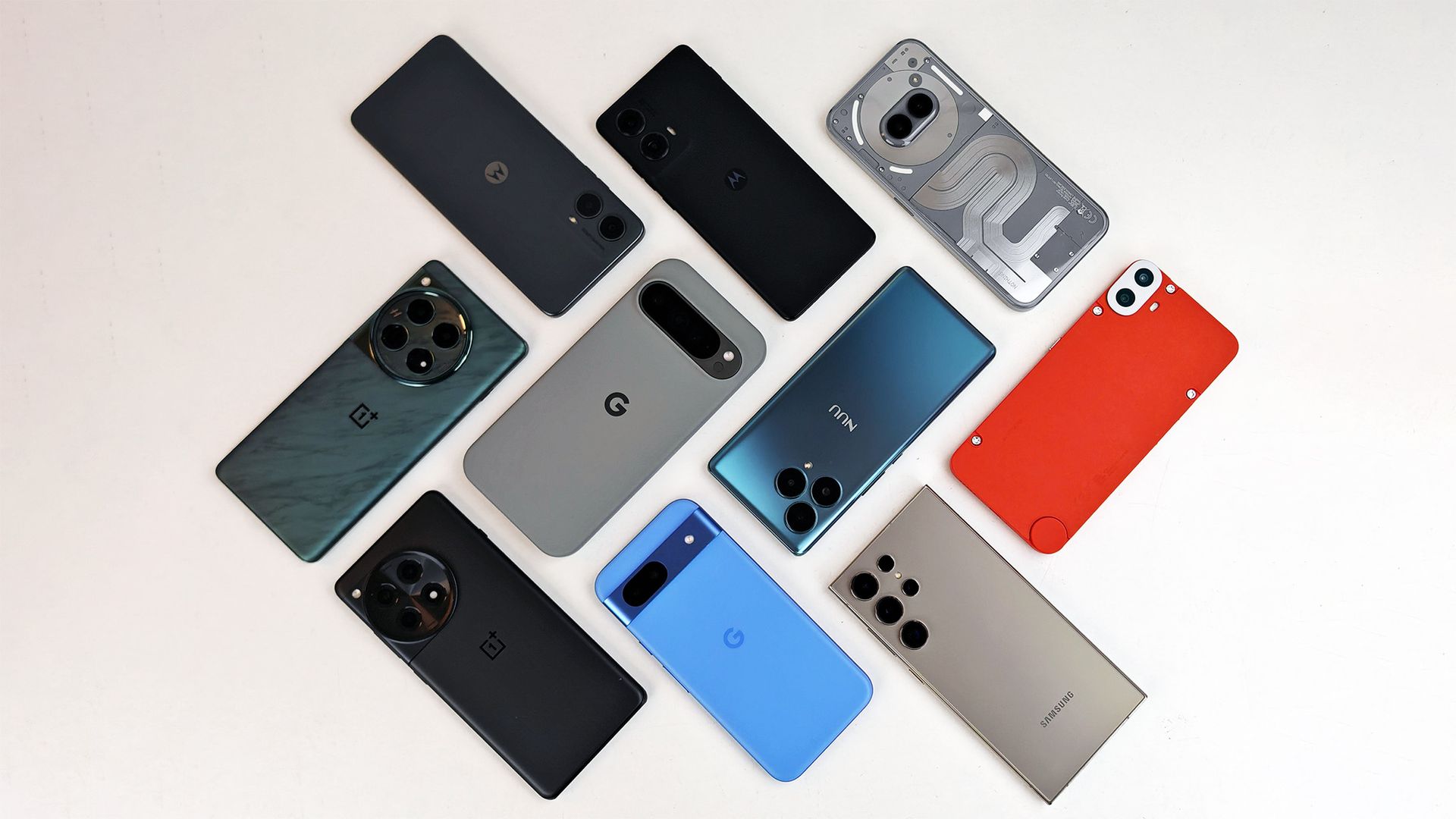
The idea of consumers hanging onto their phones longer is an interesting note for me. You end up having to make a decision. Do I buy this new phone that I want that costs over $1,000, or do I keep the phone I already have? I hear every day how people are struggling with money. At the end of the day, you need a device that does what you need it to. If that’s a phone that you bought a year or two ago, why get a new one when that money is better spent elsewhere?
Sentiments surrounding Q3 and Q4 of 2026 have not changed. In July, Omdia posted its research on the global phone market for Q2. The market dipped by 4% YoY in Q2; however, Samsung and Apple saw growth of 2% and 4%, respectively, compared with other OEMs. While Omdia highlighted that the memory crisis caused the Q2 decline, it also forecasted continued turbulence for Q3 and Q4.
Even the budget phone market is a little sketchy.
Today, Counterpoint brought up an interesting point. It said OEMs are starting to focus on “profitability over shipment volumes amid elevated component costs and weaker affordability.” Samsung is reportedly taking this path, asking suppliers to cut Q4 phone production by 20% to 30%.